Some of the most valuable information on a farm is created at the exact moment nobody has time to type it down. A vineyard worker notices disease pressure while walking a block, an agronomist spots an irrigation problem from the truck, or a foreman finishes a spray application and immediately moves to the next task. The information is real and operationally important, yet by the time the day ends it may be scattered across handwritten notes, WhatsApp messages, photographs, phone calls and memory.
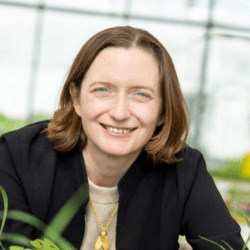
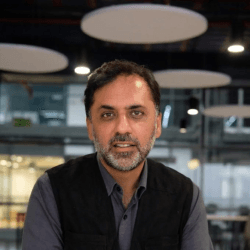
That is the gap Tellia was created to close. Founded in 2024 by Coline Labadie de Faÿ and Vincent Trastour, the company is building voice AI for agriculture around a simple premise: field teams should be able to create usable farm data in the same way they already communicate. Instead of asking workers to stop and adapt to conventional farm management software, Tellia lets them speak through phone calls, WhatsApp, voice notes or photos, then converts those updates into structured farm data, reports, tasks and activity logs in seconds.
That approach has now attracted €4.3 million ($5 million) in pre-seed funding, led by Revent, with participation from www.greysiloventures.com, Jeriko and Fund F. The financing will support Tellia’s voice-first agriculture platform, the rollout of its agentic AI suite, deeper integrations with existing AgTech products, and expansion across the United States and Europe.
The value becomes clearer when one conversation is followed through the system. Tellia shows a field worker reporting crop damage and recommending a spray application; from that spoken update, the platform creates a scouting report, sends it to the grower, sets two reminders and attaches two photographs. In another example, a single voice update about completed spraying, a broken irrigation line, missing drip tubes and a malfunctioning sprayer produces four activity logs, updates inventory, creates a purchase order and sends a maintenance request. The conversation remains natural for the worker, while the software performs the administrative work behind it.
This is where Tellia moves beyond basic speech transcription. Its AI farm assistant organizes observations by farm, field, date and team member, maps notes and photographs to individual blocks, generates scouting or irrigation reports, and lets managers search what has happened across an operation. Teams can also upload technical sheets, spray protocols, training manuals and agronomic reports so answers are grounded in an operation’s own knowledge rather than generic model assumptions.
The multilingual design addresses another persistent problem in agricultural data collection. Tellia says workers can speak naturally in different or mixed languages, including combinations such as Spanglish and Franglais, while the platform standardizes what comes out the other side. That matters in field operations where useful information can otherwise disappear during translation or never enter the official record at all.
Early usage suggests that reducing this friction can materially change adoption. Tellia says field teams in the US and Europe have reached 80% daily active usage within two months of onboarding, the platform now covers one million acres, and the company has grown to a team of 14. Earlier in Tellia’s development, its founders had already spoken with more than 150 agricultural operators, deployed 10 pilots across three continents, and processed hundreds of real-world field logs.
Customer examples make the operational effect easier to understand. Tellia’s site features agricultural professionals describing faster reporting, clearer scouting records and better visibility across crews; one pest control adviser says saving time on each report allows him to take on more growers, while another user describes being able to see where different foremen are with their work from one place.
The larger opportunity for Tellia is therefore not simply replacing keyboards with microphones. It is creating a voice-first layer for farm management software that captures what people see, say and decide while they are still in the field, then turns that information into records the rest of the operation can search and act on.
Agriculture has never suffered from a shortage of observations. Every day, people notice crop stress, equipment failures, treatment results, inventory gaps and changes in field conditions long before those details reach a database.
Tellia’s €4.3 million bet is that the next generation of farm intelligence begins by capturing those moments while they still have context, then turning everyday field conversation into the operational record the farm runs on.