A phone belongs to one person. A television belongs to the room. Apple HomeView is trying to sit somewhere between the two.
Apple’s new 7-inch smart display is designed to be shared by an entire household, but it does not treat everyone in that household the same. HomeView can recognize up to six people by face, then change the Home Screen, apps and widgets depending on who is standing in front of it. Shared music and photos can stay available to everyone, while personal information from apps such as Messages, Calendar and Find My remains tied to the individual user.
That identity layer is what makes HomeView more interesting than another smart display. Once the screen knows who is using it, Siri AI can become personal without turning the device into a single-user computer. Paired with an Apple Intelligence-enabled iPhone or iPad, Siri can draw on that person’s Messages, Calendar, Apple Music and other app context, while conversations can continue across iPhone, iPad, Mac, Apple Watch and Vision Pro. Apple is effectively extending a person’s existing Apple ecosystem into a screen that lives in a shared room.
HomeView becomes more consequential when it starts controlling the physical home. Users can manage lights, thermostats, locks, blinds and cameras by touch or voice, while the Home Camera interface can show up to nine live video feeds at once. Compatible cameras can also identify people, pets, packages and vehicles with a supported iCloud+ plan. Apple is pairing HomeView with its new Home Collection of smart-home products, while continuing support for HomeKit and Matter accessories.

That access creates a bigger privacy challenge than a typical tablet. A device sitting in the kitchen could potentially recognize faces, hear requests, display personal information and control doors or cameras. Apple’s answer is a mix of on-device processing, Apple Intelligence and what it calls Secure Exclaves for isolating camera and microphone processing. The company says Siri can also use Private Cloud Compute for supported requests. Privacy is therefore not separate from the product idea; it is what makes a shared personalized screen workable in the first place.
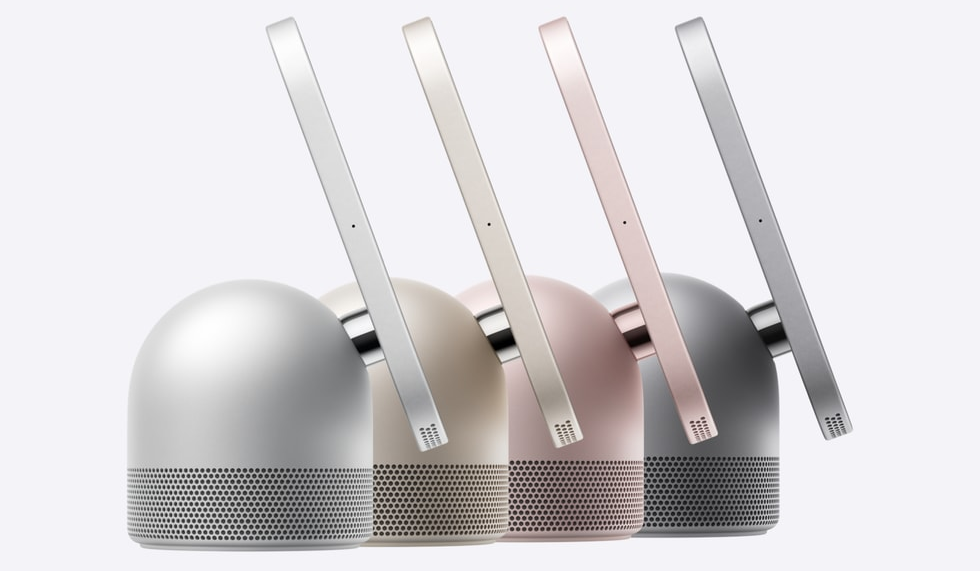
HomeView is also meant to stay useful when nobody is managing the smart home. It supports Apple Music, Apple TV, Podcasts, News, FaceTime with Center Stage, Messages, Intercom, Find My, Live Activities and compatible third-party apps. In the kitchen, it can turn web recipes into step-by-step instructions, while the tabletop version combines a Liquid Retina display with a speaker system designed for music and video. Apple also offers a separate wall-mounted model for hallways and shared spaces.
In India, both Apple HomeView and HomeView (TableTop & Wall Mounted) are priced at ₹39,900, with availability beginning November 13, 2026. The standard model comes in silver, starlight, rose pink and space grey, while the wall-mounted version is available in silver and space grey. In the U.S., both start at $299. Siri AI is initially available in English in markets including India, the U.S., UK, Canada and Australia.
The real test for HomeView is not whether Apple can put Siri, FaceTime and smart-home controls on the same screen. It is whether one device can genuinely belong to the household while still feeling personal to the person standing in front of it. If Apple gets that balance right, HomeView could become less like another smart display and more like the place where the home meets the Apple ecosystem.